

Dorothy S. Meyerson Mah Jongg Memorial
BUY A MAH JONGG CARD FOR DOROTHY
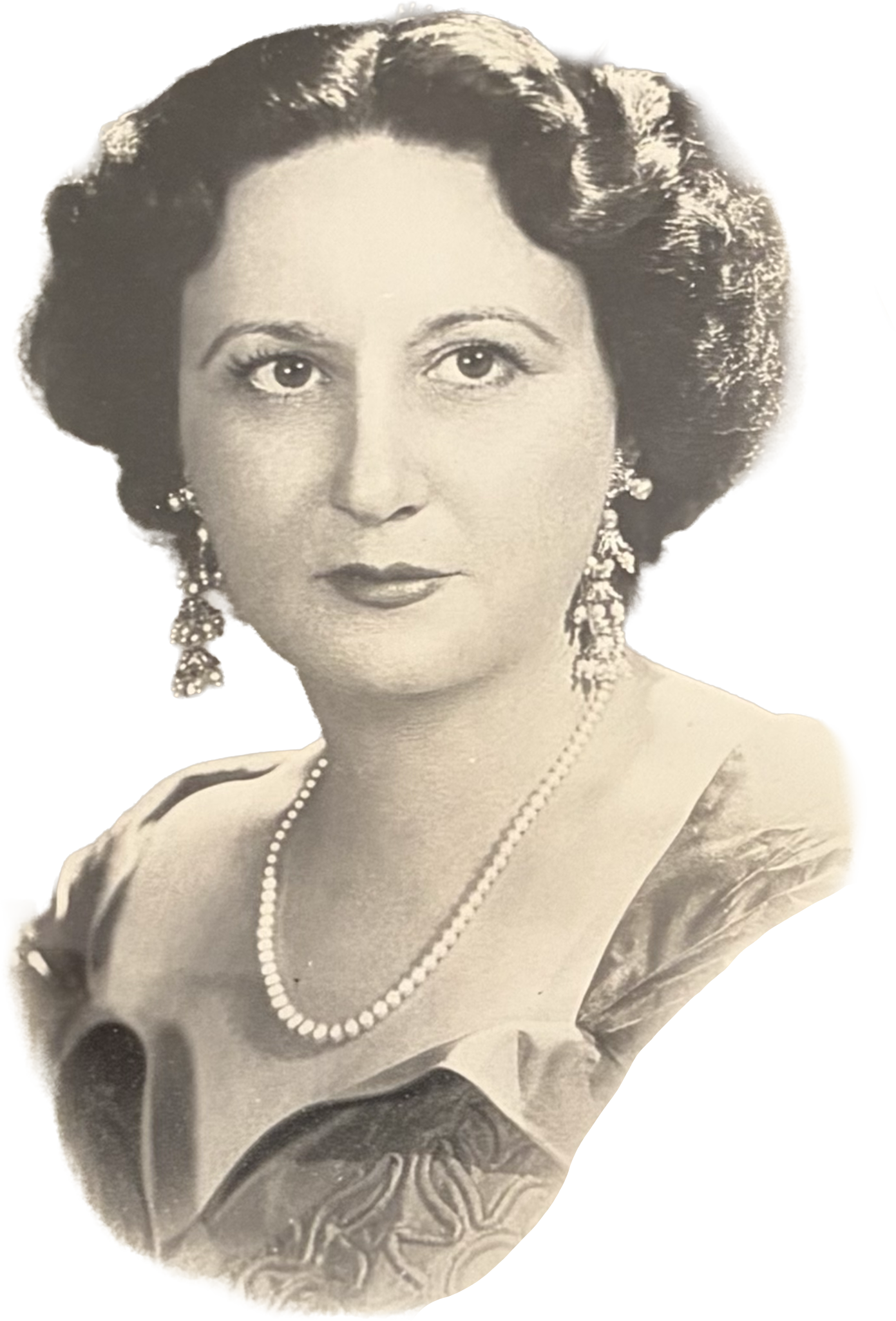
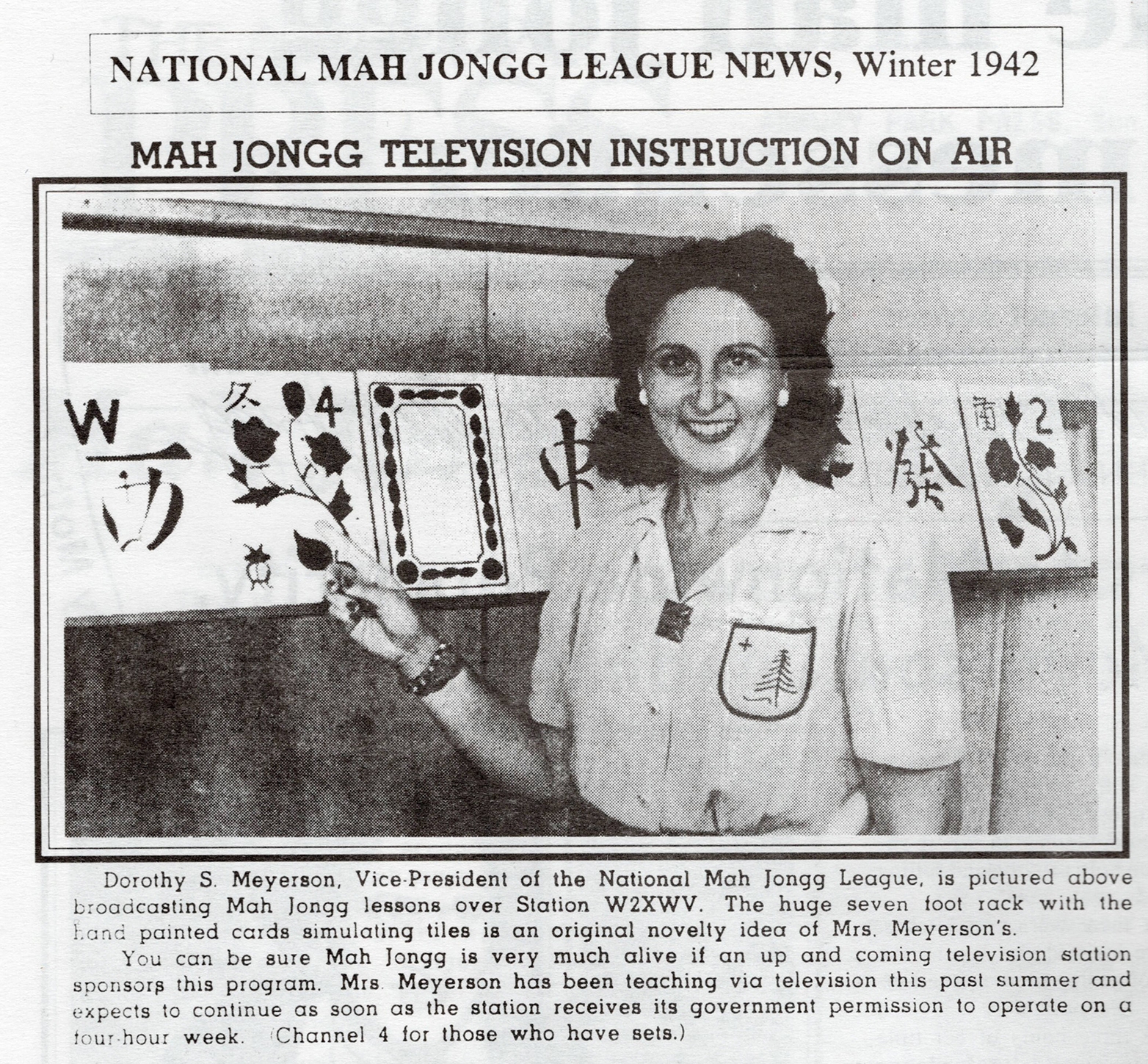
Order deadline: January 15, 2027
Click here to download a flyer to give to your friends
Help honor the Mother of American mah Jongg with a permanent memorial in Forest Hills, Queens—the birthplace of the American variation.
Why a Memorial?
Forest Hills celebrates its history. Helen Keller spent her final years here. She has a mural. The Ramones got their start here. They have a mural.
It’s time Dorothy S. Meyerson had one, too.
We are raising funds to honor Dorothy’s contribution to American culture and celebrate Forest Hills as the birthplace of American Mah Jongg.
Our goals include:
- A public mural honoring Dorothy in a prominent Forest Hills location.
- Mah Jongg Way, a proposed honorary street name for the block where Dorothy’s home still stands.
- A lasting celebration of her legacy, including a website, community block party, mural maintenance, and related activities.
Together, these efforts will recognize a remarkable local woman whose work continues to bring people together around tables across America.
Go here to buy a card.
Who Was Dorothy S. Meyerson?
When Dorothy S. Meyerson joined three other Jewish women to co-found the National Mah Jongg League in 1937 she was already a nationally recognized expert on the game.
Mahjong arrived in America from China in 1922, adapted and promoted by businessman Joseph P. Babcock. It quickly became a national craze. But with competing versions and ever-changing local rules, players increasingly found themselves playing different games. The fad eventually faded.
Fifteen years later, living in Forest Hills, Queens, Dorothy developed her own rules, building on versions still being played. As a founding member of her synagogue’s Sisterhood, she offered lessons in her home as a fundraiser, printing copies of her rules for participants.
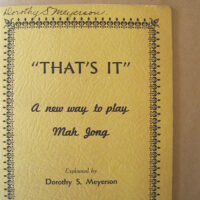
Dorothy’s own copy of the 1st edition. Thanks to Annelise Heinz & Allison Davis.
Her efforts soon attracted Macy’s, which published her rules and hosted her free weekly lessons at its flagship store. For nine years, Dorothy taught there every Thursday afternoon. Her rulebook was updated annually and remained in publication until her death in 1971.
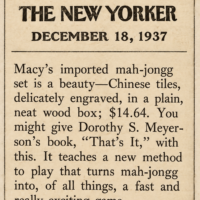
Recreation of 1937 review in The New Yorker.
Dorothy soon expanded this model nationwide, training representatives to sell her book and teach mah jongg in department stores across the country. When Dorothy became the League’s founding vice president, she brought years of experience standardizing rules and building a national community of players.
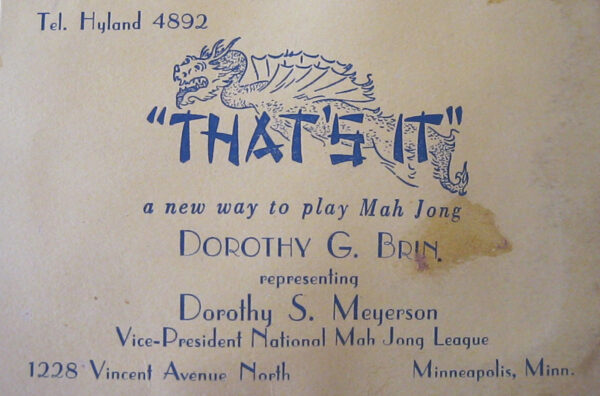
Example of business card for one of Dorothy’s national representatives. Thanks to Annelise Heinz & Allison Davis.
The League adopted rules largely based on her system and introduced an annual selection of winning hands. As the League’s longtime Chairman of Standardization, Dorothy helped create those hands each year while also running a mah jongg mail-order business from her Forest Hills home.
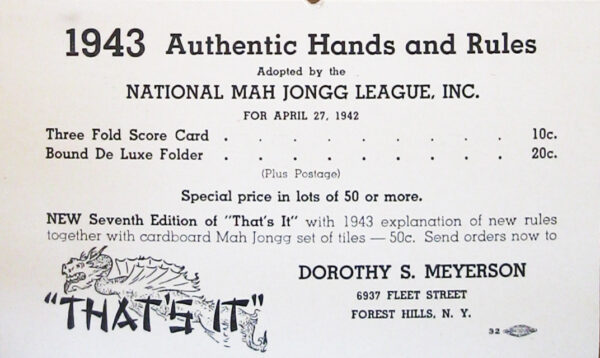
Dorothy’s mail order business. Thanks to Annelise Heinz & Allison Davis.
That is why we call Dorothy S. Meyerson the Mother of American Mah Jongg—and Forest Hills the birthplace of the American version of the game.
Who are your Supporters?
The project has earned the support of Dorothy’s family, historians, community leaders, and mah jongg advocates, including:
- Dorothy’s grandchildren: Allison Davis (daughter of Marjorie Meyerson Troum) and siblings Jeffrey Meyerson, Douglas Meyerson, and Jill Barzilay (children of Martin Meyerson)
- Annelise Heinz, historian and author of Mahjong: A Chinese Game and the Making of Modern American Culture
- Michael Perlman, Chair of the Rego-Forest Preservation Council and author of Legendary Locals of Forest Hills and Rego Park
- Linda Fisher, Forest Hills resident and founder of Mahjongg at Bryant Park
- The Reform Temple of Forest Hills (supporter AND fiscal conduit)
- The Brooklyn Seltzer Museum
What Is Mah Jongg?
Mahjong originated in China in the mid-to-late 1800s, around Shanghai. When introduced to Americans, however, it was marketed as an ancient game associated with Confucius and the Chinese elite. This commercial humbuggery would drive cultural erasure and exoticized Orientalism that still echoes today.
After becoming a sensation in America in the 1920s, the game spread to Europe and gained popularity across China, too. Today, more than 40 major variants have been documented.
We use “mahjong” as the general term for the Chinese game and its many variations.
When Joseph P. Babcock introduced the game to Americans, he marketed it as “mah-jongg”. His trademark encouraged competitors to adopt other spellings. In 1937, the National Mah Jongg League chose its own: “mah jongg”, without the hyphen.
That spelling remains the standard for the American game played with the League’s annual card.
What Is the Card?
Since its founding in 1937, the National Mah Jongg League has produced an annual card listing the official winning hands for that year. Originally distributed to members, the card became available for individual purchase in 1940, a tradition that continues today.
The annual card did more than standardize the game. It became a powerful fundraising tool.
The League directed proceeds from card sales to charitable causes. Over time, players could become Collectors, gathering card orders and designating charities to receive the resulting donations.
For generations, this system has helped synagogue Sisterhoods, Hadassah chapters, and other organizations raise money for their communities and charitable work.
Why Buy a Card for Dorothy?
There are many ways to raise money for a memorial. But what better way to honor Dorothy than through the very fundraising tradition she helped build?
Dorothy began her work by teaching mah jongg to support her synagogue’s Sisterhood. Nearly 90 years later, we’re bringing that story full circle—uniting players, neighbors, and the local Jewish community to celebrate her legacy.
There’s a Yiddish word for something that feels perfectly meant to be: bashert.
Honoring Dorothy through mah jongg, in the neighborhood where it all began? That’s bashert.
How do I buy a Card?
To buy one or more 2027 mah jongg cards for this campaign, please go here and follow the instructions. The 2027 prices set by the League are $16 for the standard card and $18 for large print.
Here’s what happens next.
One way to buy each year’s mah jongg card is to purchase from a Collector. The Collector is the middle-person between the player and the League, an individual working on their own or representing an organization.
Collectors literally collect players’ contact information and funds, turning them over to the League all at once (this year, before February 9, 2027). In return for that work, the League takes the responsibility for mailing out the new year’s cards in early April then, in October, sends one check to the Collector for $7-per-card-sold made out to the single charity of their choice.
In short, players support a charity by buying through a Collector, the League mails the Cards, and the Collector sends a check to their charity. It’s win-win-win-win all around.
Who is the Collector?
I, Barry Joseph, will serve as the Collector for this project. I am an author and longtime resident of Forest Hills. When I began writing a book about mah jongg, I had no idea that half of the founding leaders of the National Mah Jongg League had lived just blocks from my home, or that local residents had played such an important role in the years leading up to its founding.
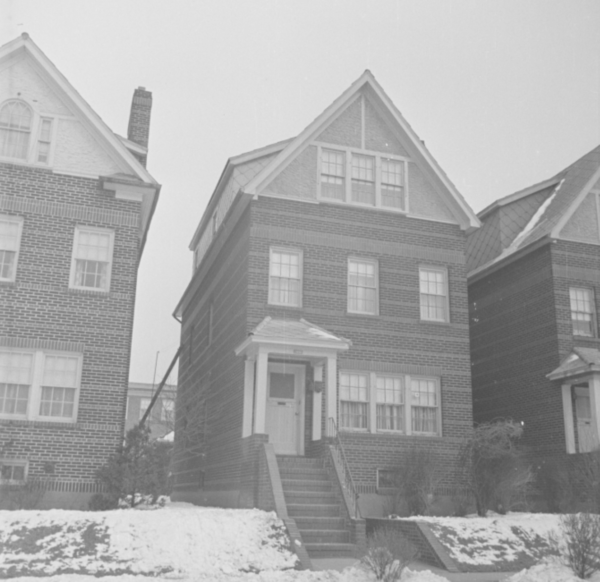
Dorothy’s home in 1939, where it still stands today: the place where American mah jongg was born.
I know the streets Dorothy walked, the temple she attended, and even the sanctuary where her daughter was married. As my research deepened, I realized that writing a book would not be enough. I wanted my neighbors to know who Dorothy was and to appreciate the extraordinary impact she had on the world.
And what better way to honor her legacy than by using the very fundraising model she helped establish through the League? There is something deeply meaningful, and deeply moving, about bringing that tradition back to the community where it began.
What is the press saying?
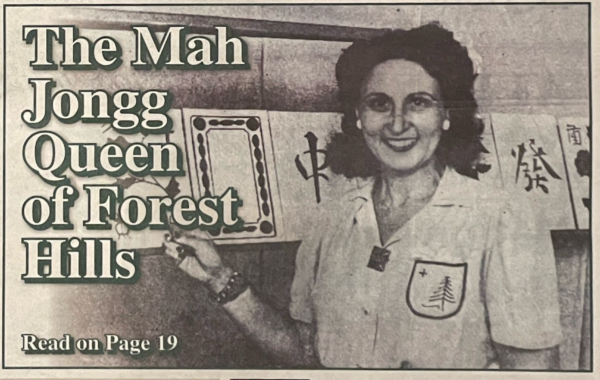
- Forest Hills Times (link)
© Copyright 2023 – Barry Joseph